
Physical Therapy Services
Massage Therapy
Soft tissue work alongside your rehabilitation plan.
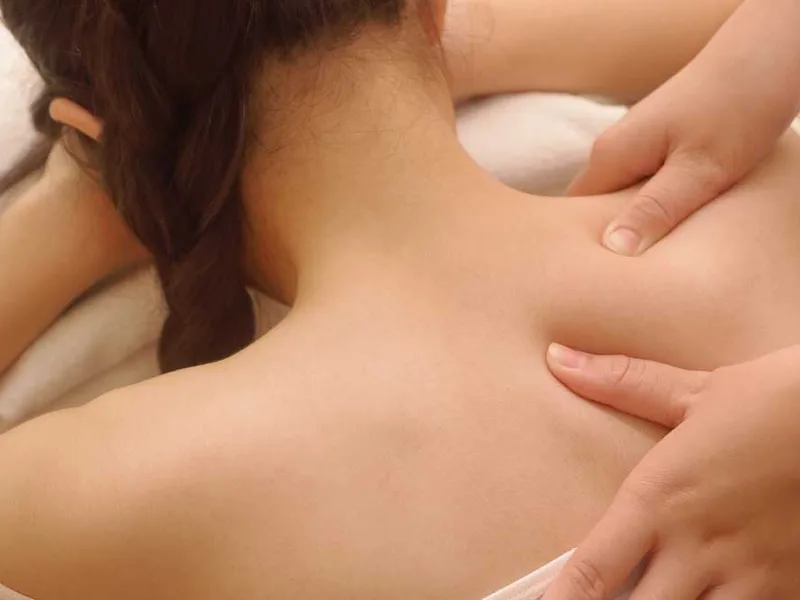
Massage Therapy
Scientific evidence suggests that massage is effective at alleviating back pain and improving the quality of life for many adults suffering from chronic health conditions. Since hands-on therapies are an essential part of their treatment protocol, Gregory Trakhtenberg, MPT and Dmitry Shestakovsky, DPT, at Midtown East Physical Therapy in New York City, offer massage therapy as a complement to physical therapies, spinal manipulations, and other treatment methods.
Massage therapy is the manual manipulation of soft body tissues (muscle, connective tissue, tendons and ligaments) to enhance a person’s health and well-being. There are many types of massage therapy methods, also called modalities. People seek massage therapy for a variety of reasons: to reduce stress and anxiety, to relax muscles, to rehabilitate injuries, to reduce pain and to promote overall health and wellness.
Massage therapy has been growing in popularity. Many therapists have their in-house massage therapist to work alongside. The benefits of working together on musculoskeletal issues not only quickens the treatment time but also has longer lasting effects. While therapists focus more on the musculoskeletal issues, massage therapists can assist with soft tissue and muscle issues.
How It Works
How massage therapy is used here
Massage here is used alongside the rest of your rehabilitation rather than as a stand-alone appointment. The therapist works the soft tissue — muscle, tendon, ligament and the fascia around them — with graded pressure, gliding strokes, and focused work on specific tight or tender areas.
Which technique and how much pressure is used follows from what the region needs on the day: lighter, broader work on an irritable area, firmer and more specific work on tissue that tolerates it.
What It Addresses
What massage therapy is used for
Massage is used here alongside the rest of a treatment plan, for presentations like these.
- Muscle tightness and soft tissue tenderness alongside a rehabilitation plan
- Preparing a stiff region so joint and movement work is better tolerated in the same visit
- Ongoing soft tissue issues that recur between appointments
- General muscular tension and stress-related tightness
What to Expect
One-on-one care, built around you
Your care begins with a one-on-one evaluation. Rather than focusing on the symptoms alone, we establish a cause and effect relationship through accurate palpation and assessment of the body, then build a rehabilitation program customized to your individual needs.
- A short check-in on what has changed since the last visit, and where the tissue is currently sore, before any hands-on work begins.
- Positioning on the table with draping, and pressure set with you rather than at you — you are asked, and can change it at any point.
- Massage is typically combined with the manual and movement work in your plan rather than filling the whole appointment.
- Advice on hydration, heat or movement afterwards where it is relevant to what was worked on.
Common Questions
Questions we are asked about Massage Therapy
- Should a massage hurt to work?
- No. Deeper pressure is sometimes useful and can feel intense, but pain is not the goal and is not a measure of whether the work is doing anything. Tell your therapist to ease off at any point — the pressure is set to what you can stay relaxed under.
- Can I book a massage on its own?
- Massage is offered as part of the treatment plan here rather than as a spa appointment. Call (212) 922-0044 and the front desk will explain how it fits with what you are being seen for.
- Will I be sore afterwards?
- Some tenderness the next day is common after firmer work, in the way you might feel after exercise. Anything sharp, spreading, or lasting more than a couple of days is worth a call to the office.
- What should I wear?
- Come in comfortable clothing. Draping is used throughout and only the area being worked on is uncovered. If you would rather stay fully clothed, say so — techniques can be adapted to work through clothing.