
Physical Therapy Services
Post-Operative Rehabilitation
Guided recovery through every stage of healing.
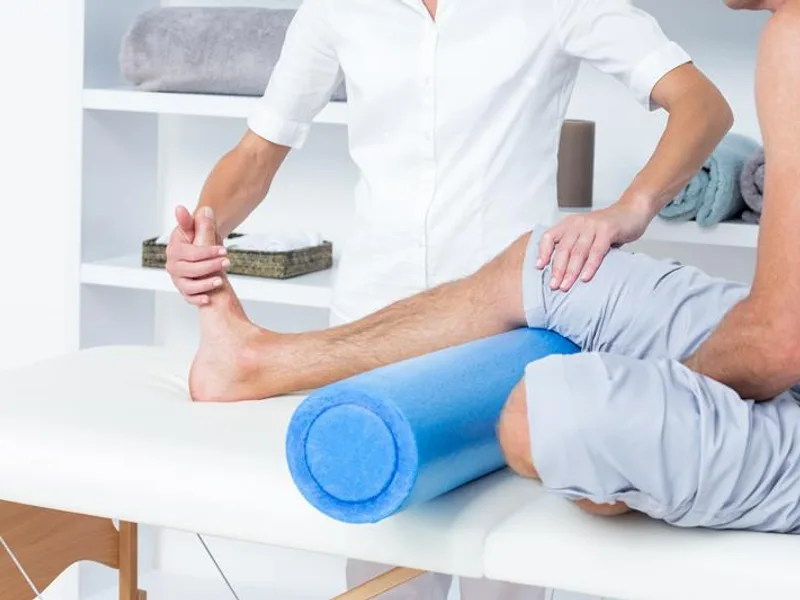
Post-Operative Rehabilitation
After surgery for an injury or degenerative condition, the road to recovery can be a challenging one. The expert physical therapists at Midtown East Physical Therapy are with you every step of the way, with a natural, whole-person approach to postoperative rehabilitation. The highly trained physiotherapists, Gregory Trakhtenberg, MPT and Dmitry Shestakovsky, DPT, provide their knowledge and assistance for a speedy recovery, and offer comprehensive postoperative rehabilitation services for patients of all ages.
How It Works
How post-operative rehabilitation is staged
Post-operative rehabilitation is staged around healing rather than around how you feel on the day. Your surgeon sets the protocol — what range is permitted, what weight can go through the limb, what is restricted and for how long — and the therapist works inside it, progressing you as those restrictions lift.
Early sessions typically focus on protecting the repair, managing swelling, restoring the movement that is permitted and keeping the surrounding regions working. Later stages add strength, control and the specific demands of your job, sport or daily activity.
What It Addresses
What post-operative rehabilitation addresses
Rehabilitation here is used to address presentations like these, inside the protocol your surgeon has set.
- Recovery following orthopaedic surgery, working within the surgeon's protocol
- Restoring permitted range of motion and managing post-operative swelling and stiffness
- Rebuilding strength and control in the operated region and the joints either side of it
- Working back toward specific daily, occupational and sporting demands
What to Expect
One-on-one care, built around you
Your care begins with a one-on-one evaluation. Rather than focusing on the symptoms alone, we establish a cause and effect relationship through accurate palpation and assessment of the body, then build a rehabilitation program customized to your individual needs.
- Bring your operative report and your surgeon's protocol or post-op instructions to the first visit. These set the boundaries the whole plan runs inside.
- An assessment of where you currently are: range, swelling, the incision, how you are moving and what you can manage at home.
- Treatment inside the surgical restrictions, progressing stage by stage as they are lifted rather than by how the joint feels on a good day.
- A home program from the beginning, and communication with your surgeon's office where the plan needs clarifying.
Common Questions
Questions we are asked about Post-Operative Rehabilitation
- When should I start physical therapy after surgery?
- Your surgeon decides that, and it varies with the procedure. Some protocols start within days, others after a period of immobilisation. Book according to the timeline you were given, and bring the paperwork with you.
- What do I need to bring to the first appointment?
- Your operative report, your surgeon's protocol or post-operative instructions, any brace, boot, sling or crutches you have been given, your medication list and your insurance card. The protocol is the single most useful thing you can bring.
- What if an exercise hurts?
- Some discomfort is expected when regaining movement after surgery, and your therapist will tell you what is within range for your stage. Sharp pain, a sudden change, increasing swelling, or anything involving the incision is a reason to stop and contact us or your surgeon.
- Can you work with my surgeon's protocol?
- Yes — the protocol is the framework the plan is built inside. Bring it, and tell us your surgeon's details so the office can follow up if anything needs clarifying.
- How do I book?
- Call (212) 922-0044 and the front desk will book post-operative rehabilitation at whichever office suits you — 12 E. 46th Street in Midtown East, 274 Madison Avenue, or 1995 Broadway on the Upper West Side. You can also request an appointment through our Zocdoc listing. New patient forms are on the New Patients page as a PDF, and filling them in beforehand shortens your check-in.