
Physical Therapy Services
Spine Treatment Program
For spine pain and stiffness at any age.
Spine Treatment Program
Back pain can make it difficult to participate in the activities you enjoy on the weekends, especially if sitting at a desk all week exacerbates your symptoms. The highly skilled physiotherapists and back pain specialists, Gregory Trakhtenberg, MPT and Dmitry Shestakovsky, DPT, at Midtown East Physical Therapy in New York City, offer a natural, effective spine treatment program to patients of all ages suffering from spine pain and stiffness.
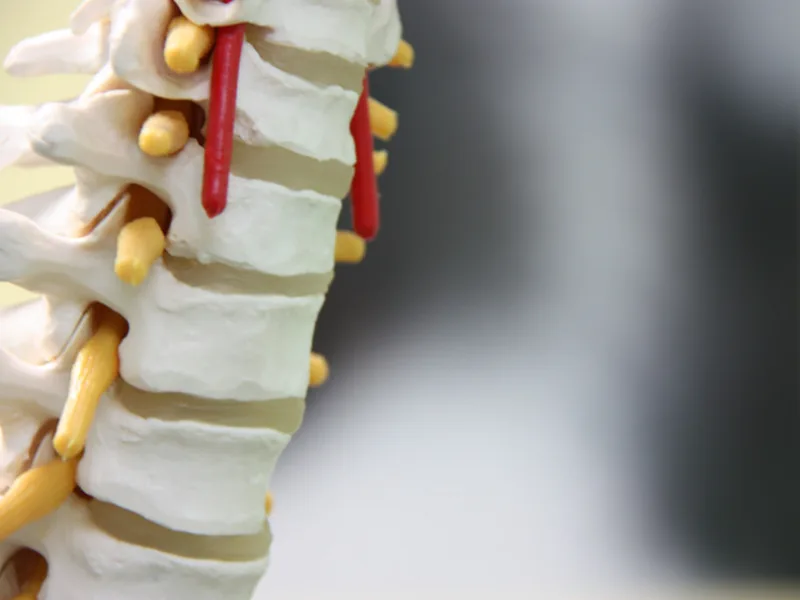
Pain in any area of your spine is considered back pain. The spine consists of a column of bones or vertebrae held together by muscles, tendons and ligaments separated by shock absorbing disks. Physical therapy care is beneficial for many different conditions, not just back pain. However, many patients initially visit seeking relief from back pain. It is reported 31 million Americans experience low back pain at any given time.
Back pain is caused by a complicated structure of bones, joints, ligaments and muscles. When you sprain ligaments, strain muscles, rupture disks and irritate joints, these all can lead to back pain. Sports injuries or accidents can cause back pain, as well as simple movements like bending over to pick up a child. Other factors to consider are arthritis, poor posture, obesity and psychological stress, which can cause or complicate back pain. Back pain can also directly result from disease of the internal organs such as kidney stones, kidney infections, blood clots or bone loss. A knowledgeable therapist will rule out these findings before a treatment plan is put into place.
There has been a lot of research conducted on back pain. These findings are helpful in understanding the magnitude of back pain in our daily lives. The leading cause of disability worldwide is low back pain according to the Global Burden of Disease 2010. Back pain is one of the most common reasons for missed work, and the second most common reason for visits to the doctor’s office, outnumbered only by upper-respiratory infections. One half of all working Americans admit to having back pain symptoms each year. Experts estimate that as much as 80% of the population will experience a back problem at some time in their lives. Most cases of back pain are mechanical or non-organic, meaning they are not caused by serious conditions such as inflammatory arthritis, infection, fracture or cancer. Americans spend at least $50 billion each year on back pain.
How It Works
How the spine program works
The program starts from an examination rather than a protocol. The therapist takes your history, tests how the spine moves and what provokes and eases your symptoms, assesses strength and control through the trunk and hips, and screens for anything that needs a physician rather than a therapist.
What follows is built from that: hands-on treatment for the segments and soft tissue that are restricted, movement and strengthening work for what is not controlling load well, and specific advice on sitting, lifting and the parts of your day that keep provoking it. The proportions shift as the picture changes.
What It Addresses
What the spine program addresses
The program is used to address presentations like these, at any age.
- Back pain and spinal stiffness in patients of any age
- Symptoms provoked by desk work, commuting or long periods of sitting
- Recurrent episodes of back pain between which you feel largely fine
- Building tolerance for lifting, sport and physical work again after an episode
What to Expect
One-on-one care, built around you
Your care begins with a one-on-one evaluation. Rather than focusing on the symptoms alone, we establish a cause and effect relationship through accurate palpation and assessment of the body, then build a rehabilitation program customized to your individual needs.
- A one-on-one evaluation covering your history, movement testing, and a hands-on assessment of the spine and the regions either side of it.
- Screening questions about symptoms that would point away from a mechanical cause. This is routine, and a normal part of a proper spinal examination.
- Treatment beginning in the same visit where the assessment supports it, combining hands-on work with movement.
- A home program plus specific advice for your working day, and regular reassessment so the plan follows the response rather than a schedule.
Common Questions
Questions we are asked about Spine Treatment Program
- Do I need an X-ray or MRI first?
- Not usually. Most back pain is assessed by history and examination, and imaging findings often do not match symptoms. Bring any imaging you already have. If the examination raises something that warrants imaging or a physician opinion, we will tell you and send you back.
- Should I stay in bed when my back is bad?
- Extended bed rest is not generally what is advised for back pain. What is right for you — how much to move, what to modify, what to avoid for now — comes out of the examination, and your therapist will be specific about it.
- I sit at a desk all day. Can that be part of the problem?
- Sustained postures are one of the things assessed, because for many patients the working day is where the load actually accumulates. Expect questions about your chair, screen height, commute and how often you get up, and practical changes as part of the plan.
- When should I see a doctor instead?
- Back pain with fever, unexplained weight loss, loss of bladder or bowel control, numbness around the groin, or progressive weakness in a leg needs medical attention rather than an appointment here. Contact your physician or seek urgent care.
- How do I book?
- Call (212) 922-0044 and the front desk will book a spine evaluation at whichever office suits you — 12 E. 46th Street in Midtown East, 274 Madison Avenue, or 1995 Broadway on the Upper West Side. You can also request an appointment through our Zocdoc listing. New patient forms are on the New Patients page as a PDF, and filling them in beforehand shortens your check-in.