
Physical Therapy Services
Spinal Manipulation
Long-term relief from the underlying source of back pain.
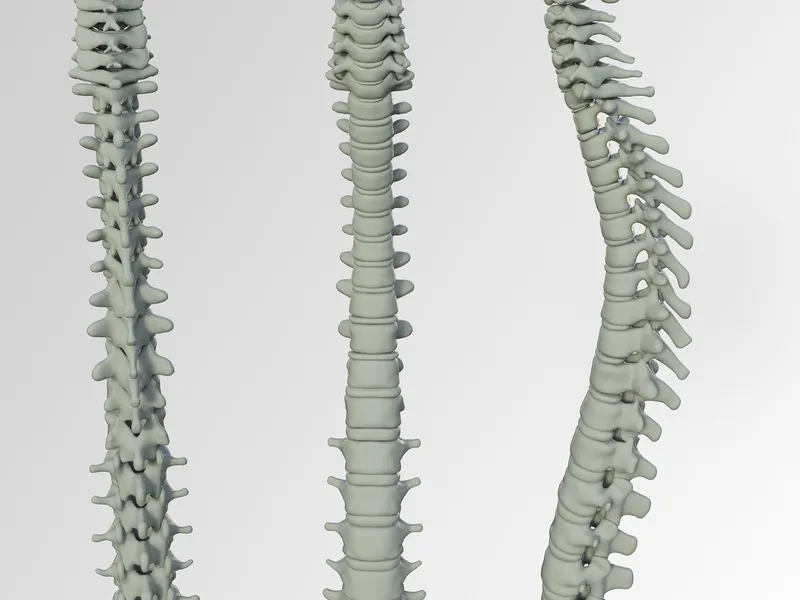
Spinal Manipulation
Living with back pain can be a frustrating experience, and it is one of the most common reasons for calling in sick to work. Medications may temporarily relieve pain, but spinal manipulation by the highly-skilled physiotherapists, Gregory Trakhtenberg, MPT and Dmitry Shestakovsky, DPT, at Midtown East Physical Therapy in New York City, can provide long-term relief from the underlying source of your pain.
Spinal Manipulation is considered a safe and effective treatment for back pain. With today’s growing emphasis on quality care, clinical outcomes and cost effectiveness, spinal manipulation is receiving increased attention.
Spinal manipulation reduces pain (decreasing the need for medication in some cases), rapidly advances physical therapy, and requires very few passive forms of treatment. It is recommended that low back pain sufferers choose the most conservative care first. Spinal manipulation has been known to be the only safe and effective, drugless form of initial professional treatment for acute low back problems in adults.
Research has shown that there is strong evidence that spinal manipulation for back pain is just as effective as a combination of medical care and exercise. In some cases, it has been noted that spinal manipulation is just as effective as prescription NSAIDs combined with exercise. For more information or to request an appointment, call us today at (212) 922-0044.
How It Works
How spinal manipulation is done
Spinal manipulation is a hands-on technique applied to a specific spinal segment. The therapist positions the joint at the end of its available range and applies a controlled, quick, low-amplitude impulse. The audible pop that sometimes accompanies it is gas releasing within the joint, not bone moving out of or into place.
It is one technique among several rather than a treatment on its own. Which segment is treated, and whether manipulation is used at all, follows from the examination — the same visit usually includes soft tissue work and movement retraining so the change is not left to hold on its own.
What It Addresses
What spinal manipulation is used for
Spinal manipulation is used here to address presentations like these, and only where the examination supports it.
- Segmental stiffness and restricted movement in the spine
- Mechanical back and neck pain identified on examination
- Restriction that keeps returning between visits despite soft tissue work
- Cases where a conservative, non-drug approach is being tried first
What to Expect
One-on-one care, built around you
Your care begins with a one-on-one evaluation. Rather than focusing on the symptoms alone, we establish a cause and effect relationship through accurate palpation and assessment of the body, then build a rehabilitation program customized to your individual needs.
- An evaluation first: history, movement testing, and hands-on assessment segment by segment to find which levels are moving poorly and how that relates to your symptoms.
- Screening for anything that would make manipulation inappropriate. If the examination turns up a reason not to manipulate, the therapist treats another way and tells you why.
- The technique itself takes seconds. It is usually combined with soft tissue work either side of it, and with movement or strengthening work you continue between visits.
- It is common to feel a little sore or loose for a day afterwards. Your therapist will tell you what is expected and what to call about.
Common Questions
Questions we are asked about Spinal Manipulation
- Is the popping sound the bone moving back into place?
- No. The sound is gas coming out of solution inside the joint as the pressure in it changes. It is not a sign that anything was out of place, and a treatment that does not produce a sound has not failed.
- Does spinal manipulation hurt?
- The impulse itself is quick and most patients describe it as a brief pressure rather than pain. Getting into position can be uncomfortable if the area is irritated. Mild soreness afterwards, similar to after exercise, is common.
- Is manipulation right for everyone?
- No, and that is what the examination is for. There are conditions and circumstances in which manipulation is not appropriate, which is why your therapist assesses and screens before deciding. Tell us about any diagnosed spinal condition, recent injury, surgery, or medication you take, especially blood thinners or long-term steroids.
- What should I bring to the first visit?
- Any imaging or reports you already have for the area, a list of your medications, your insurance card, and comfortable clothing you can move in. If you have been given a referral or prescription for physical therapy, bring that too.
- How do I book an appointment?
- Call (212) 922-0044 and the front desk will book a spinal manipulation evaluation at whichever office suits you — 12 E. 46th Street in Midtown East, 274 Madison Avenue, or 1995 Broadway on the Upper West Side. You can also request an appointment through our Zocdoc listing. New patient forms are on the New Patients page as a PDF, and filling them in beforehand shortens your check-in.